
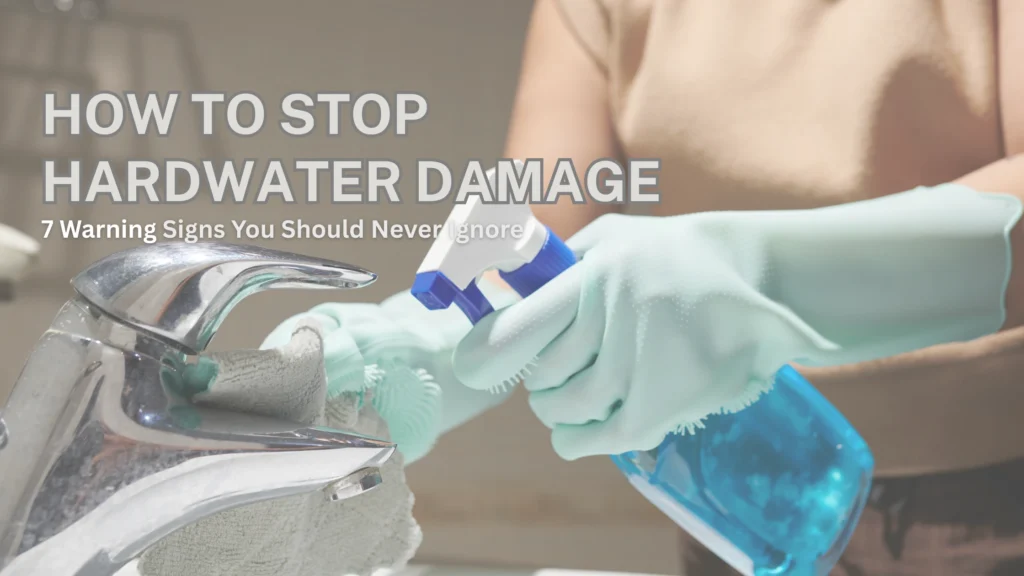
Hard water affects more than 85% of INDIAN households, yet many homeowners don’t even know the real problem until significant damage has already occurred. Hard water contains high concentrations of dissolved minerals, primarily calcium and magnesium, which accumulate as water moves through limestone, chalk, or gypsum deposits in the ground.
In this blog, we’ll discuss how to stop hardwater damage and if a hard water tap filter is the best option for your house.
1. White Spots on your buckets, taps, dishes and Glassware
Cloudy Appearance on Clean Glasses
Your glassware might develop a permanent cloudy or frosted appearance that no amount of scrubbing can remove. This happens because repeated exposure to hard water minerals creates microscopic scratches and etching on glass surfaces. Over time, these tiny imperfections accumulate, making your glasses look permanently blurry.
Chalky Buildup on Silverware and Cookware
Hard water leaves white, powdery residue on silverware, pots, and pans. This chalky buildup feels gritty to the touch and can be difficult to remove with regular dish soap. Stainless steel appliances and cookware are particularly susceptible to showing these mineral deposits.
2. Your Skin Feels Dry and Itchy After Showering
Hard water leaves deposits that cause skin irritation
Hard water interferes with your skin’s natural moisture barrier, leaving you feeling dry and itchy even after applying lotions and moisturizers. The minerals in hard water react with soap to form an insoluble precipitate that doesn’t rinse away completely, leaving a film on your skin that blocks pores and prevents proper hydration.
Many people blame dry skin on weather, age, or sensitive skin products, but hard water might be the real culprit. I noticed my skin improved dramatically after installing a water softener, despite living in the same climate and using the same skincare routine.
Hair Becomes rough and difficult to Manage
Hard water minerals build up on hair strands, making them feel rough, look dull, and become difficult to style. The mineral deposits weigh down your hair and prevent moisture from penetrating the hair shaft properly. This leads to increased breakage, split ends, and an overall lackluster appearance.
3. Soap Refuses to Foam Properly
Reduced Foam Production in Sinks and Showers
Hard water minerals interfere with soap’s ability to create lather. Instead of rich, foamy suds, you get flat, lifeless bubbles that disappear quickly. This happens because calcium and magnesium ions bind with soap molecules, preventing them from working effectively.
The frustration of trying to work up a decent lather with expensive soap products only to get disappointing results is something most hard water households experience daily.
Poor Performance of Cleaning Products
Cleaning products that work well in soft water areas may seem ineffective in your home. Floor cleaners leave streaks, bathroom cleaners don’t cut through soap scum, and laundry detergents fail to remove stains properly. This isn’t because the products are poor quality – it’s because hard water minerals neutralize many cleaning agents.
4. Mineral Deposits Appear Around Taps and Fixtures
Staining Around Shower Heads and Handles
Shower fixtures show hard water damage through white, yellow, or green staining around connections and spray holes. The mineral deposits can clog individual spray holes, reducing water pressure and creating uneven spray patterns. Some shower heads become so clogged they need frequent soaking in vinegar or complete replacement.
Mineral Rings in Toilet Bowls and Tank Components
Hard water creates stubborn mineral rings in toilet bowls that regular toilet bowl cleaners can’t remove. These rings form at the waterline where minerals are deposited as water evaporates. Inside the toilet tank, mineral buildup can interfere with flush mechanisms and cause running water problems.
5. Your Laundry Looks Dusty and Feels Stiff
Clothes Lose Their Original Colors and Brightness
Hard water minerals embed in fabric fibers during washing, causing colors to appear faded and dull. Dark clothes may look grayish, while bright colors lose their vibrancy. This happens gradually, so you might not notice the change until you compare older garments with newly purchased ones.
White Garments Develop Gray or Yellow Tints
White clothing and linens gradually develop gray or yellowish tints that won’t wash out. This discoloration results from mineral deposits and soap residue that accumulate over multiple wash cycles. Bleach often fails to restore the original whiteness because it can’t penetrate through the mineral coating.
6. Strange Metallic or Bitter Taste in Your Drinking Water
Unpleasant Flavor That Affects Beverages and Cooking
Hard water often has a noticeable metallic, bitter, or chalky taste that affects everything you drink and cook. The high mineral content changes the flavor profile of water, making it less pleasant to drink plain and altering the taste of beverages made with tap water.
7. Bathtub and Shower Develop Persistent Stains
Ring Formations That Regular Cleaning Cannot Remove
Those stubborn rings around your bathtub aren’t just soap scum – they’re mineral deposits that form where hard water sits regularly. These rings start as faint lines but become more pronounced over time, eventually requiring special cleaners or professional treatment to remove.
Soap Scum That Builds Up Quickly After Cleaning
Even after thorough cleaning, soap scum returns quickly in hard water environments. The combination of soap residue and mineral deposits creates a sticky film that attracts more dirt and grime, making surfaces look dirty again within days of cleaning.
Understanding the Science Behind These Problems
The problems you see are direct results of dissolved calcium and magnesium minerals in your water supply. When hard water evaporates, these minerals are left behind as visible deposits. When hard water mixes with soap, it forms insoluble precipitates that don’t rinse away cleanly. This simple chemistry explains why hard water creates such widespread problems throughout your home.
Regional Factors That Contribute to Hard Water Issues
Geographic location plays a major role in water hardness levels. Areas with limestone, chalk, or gypsum bedrock typically have harder water because groundwater dissolves these mineral-rich rocks over time. In India most of the major cities like delhi, mumbai, chennai, hyderabad, etc are facing the hard water problems.
Think your water is safe? Look into this Hard water crisis in India, how hard water affects your home, health, and daily life — and the detailed measures you can take to fix it.
Solutions and Next Steps for Hard Water Problems
Water Softening Systems and How They Work
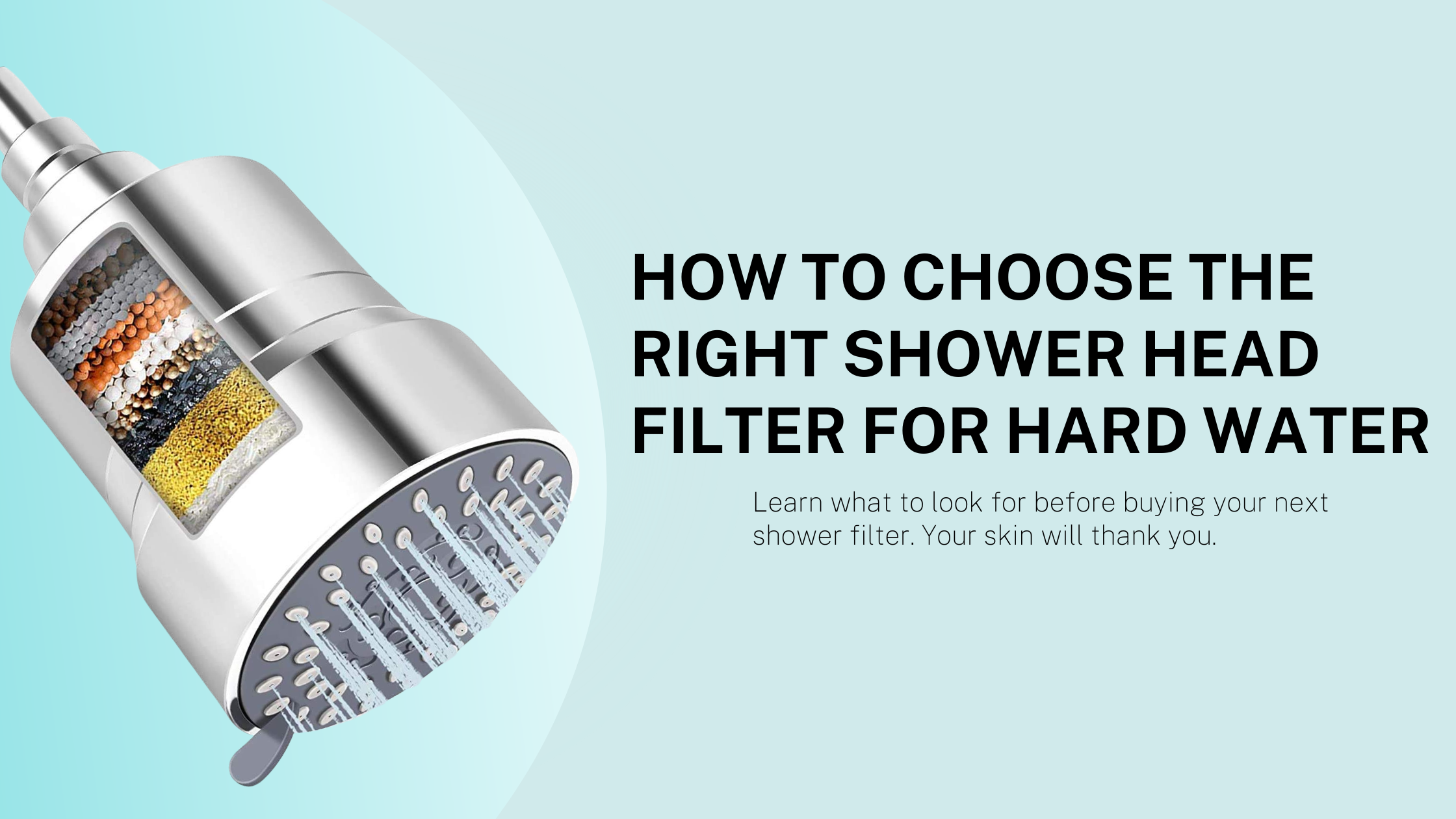
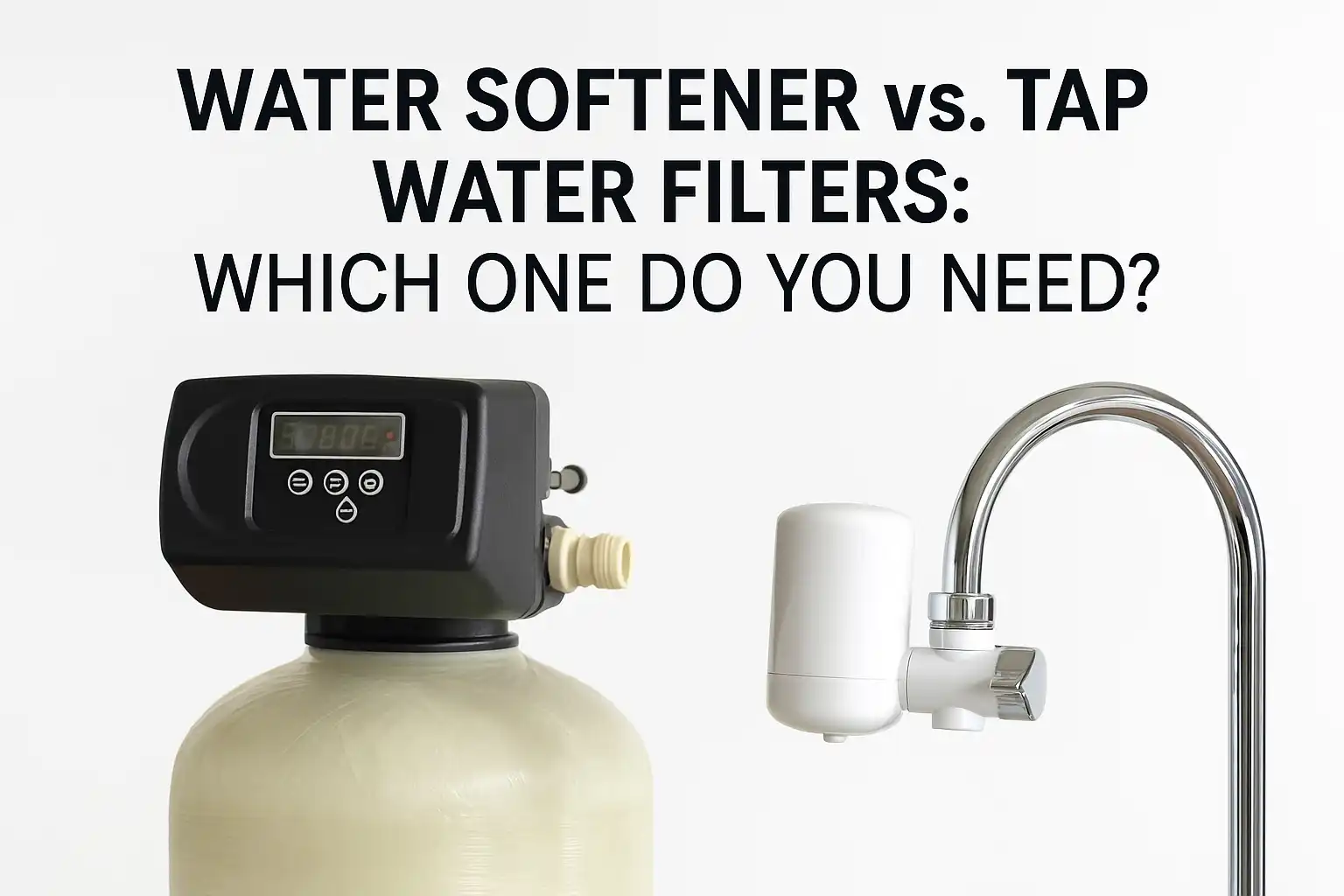
Hard water filters for taps and hard water filters head showers help to filter the hard water at exit level of taps and showers. These systems require less maintenance but effectively eliminate most hard water problems. Whole-house systems treat all water entering your home.
The hard water filters helps to:
- Reduces hair fall and itchy skin problems
- Removes excess minerals like calcium and magnesium
- Keeps Cloths soft and bright after wash
- Removes white stains from taps tiles and buckets
- Improve over all water quality for bathing and cleaning
To learn more about protecting delicate skin, read our detailed guide: Are Filtered Shower Heads Safe for Babies and Kids? A Parent’s Guide to Choosing a Baby-Safe Shower Head.
Conclusion
Don’t let hard water continue damaging your home and affecting your daily comfort. If you’ve recognized several of these warning signs, it’s time to use hard water filters. Your future self will thank you for taking action now rather than waiting for problems to worsen.

Are Filtered Shower Heads Safe for Babies and Kids? A Guide to Choosing a Baby-Safe Shower Head
Benefits of Using a Shower Head Filter Daily
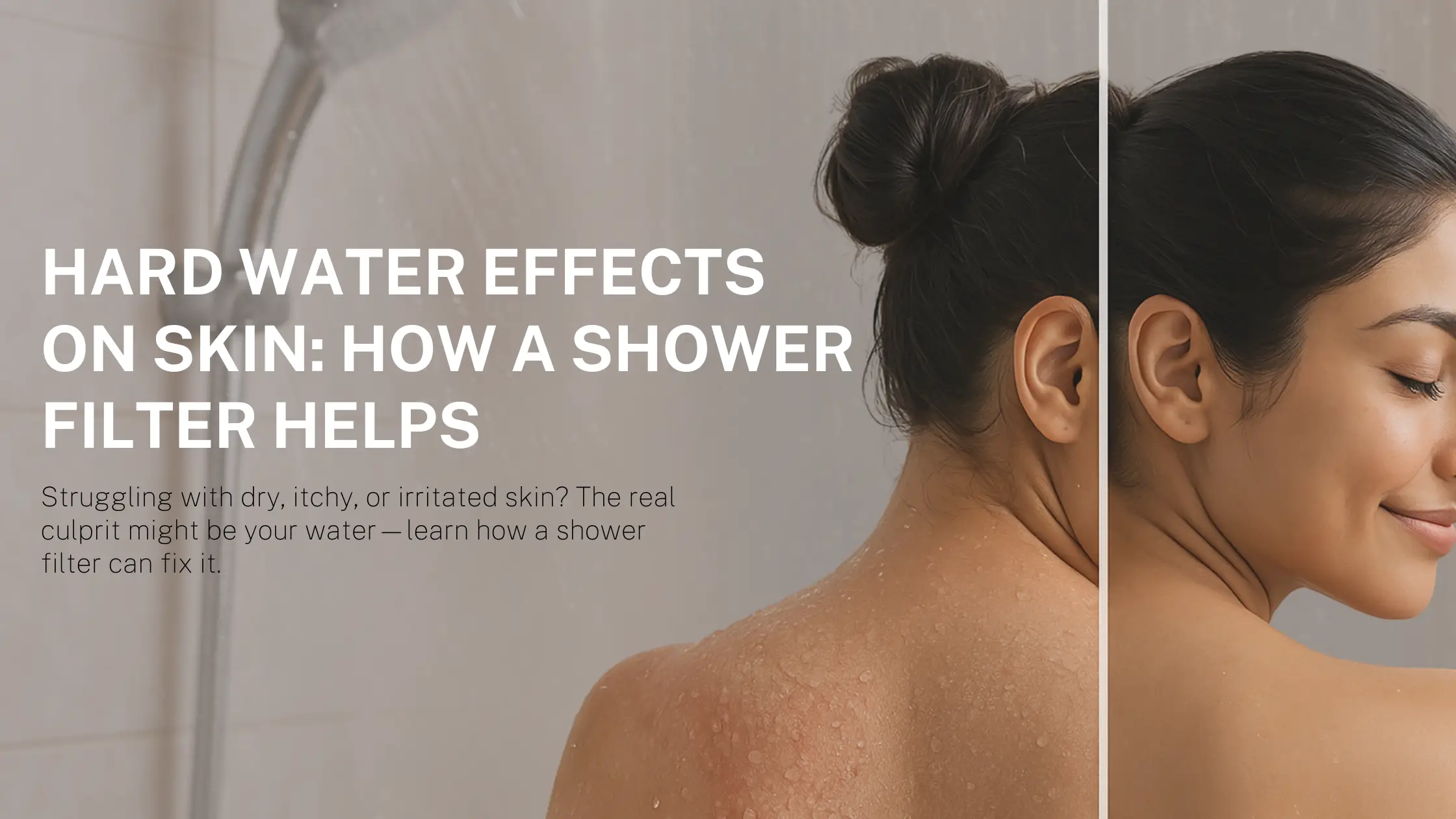
Hard Water Effects on Skin: How a Shower Filter Helps
Hard Water Hair Fall? Discover the Real Fix with a Shower Head Filter for Hard Water India
How to Choose the Right Shower Head Filter for Hard Water
Can Tap Water Filters Help Prevent Hair Fall? The Science Explained
Water Softener vs. Tap Water Filters: Which One Do You Need?
